WHO WE ARE
1998—
AEON was founded in Seoul in 1998, in the first years of the Korean interface industry. For the first decade the work was consumer: handset control layers, in-car navigation, appliance panels, wearable devices. Products that a person chose in a showroom and could put down again.
2014—
The move to control systems was not a repositioning. It followed the problems. The same clients began asking about screens that were never sold to anyone — plant operator panels, trading terminals, patient monitors, dispatch consoles. An interface of that kind is not chosen; it is issued. The operator cannot walk away from it, and a state read wrongly is not an inconvenience.
2020—
By 2020 that work was the practice rather than a part of it. AEON now designs for operators who hold several tasks at once, who are given more state than the available time allows, and for whom the cost of a missed item and the cost of a false one are not the same number. What we deliver is rarely a screen. It is a decision about what is shown, what escalates, and on whose authority.
Method
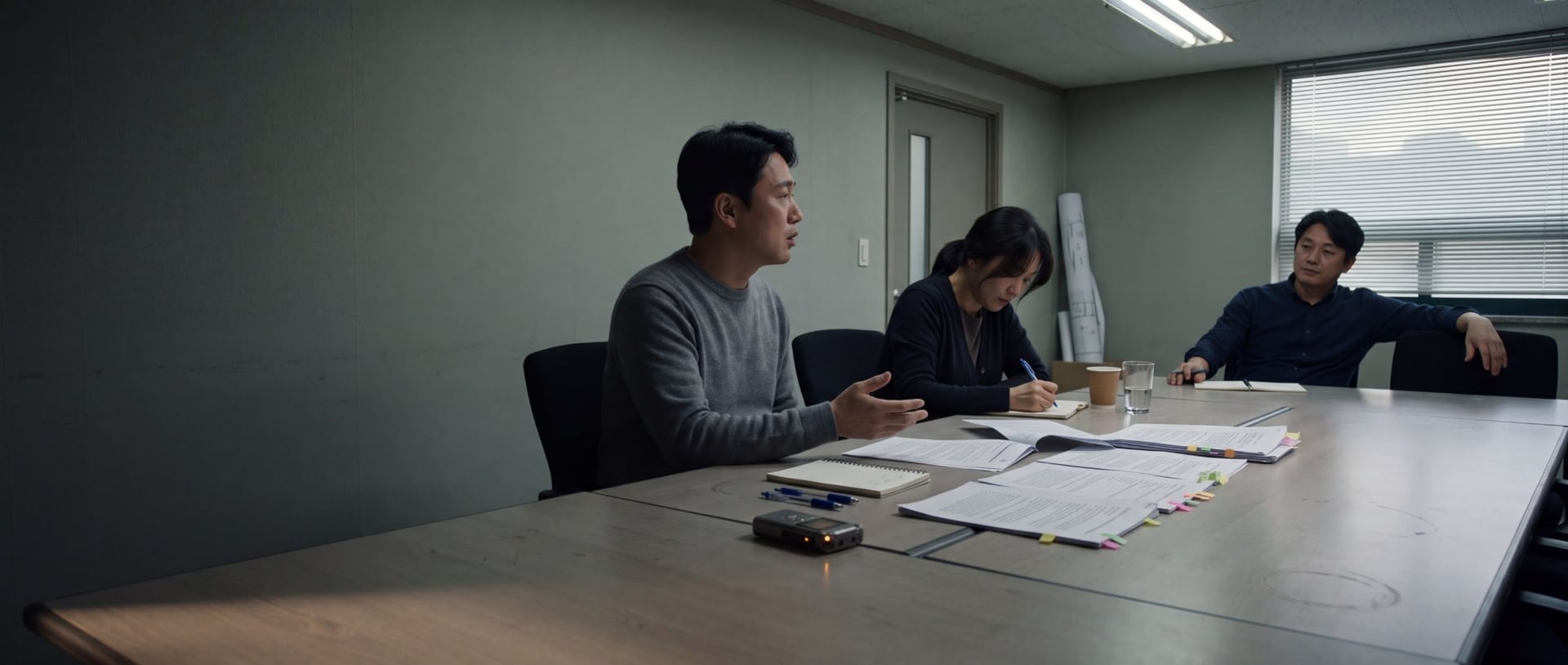
AEON reads the system's own documentation, argues the case with its engineers, and works in their terminology. It is a condition of the work rather than a service — and it is why the operator's side of the argument is held in the room even when no one else is holding it.
Standing
Twenty-eight years, one discipline, independently held. The work itself — deployed screens, design documentation, research material — stays out of public view under client security policy. AEON observes those restrictions without exception — and treats the ability to do so as a condition of working in this field at all.
Clients — selected
1998—2026

These organizations have commissioned AEON.
Security operating principles
Applied to every engagement — defense and otherwise
Much of AEON's work cannot be shown. We apply a common confidentiality and disclosure baseline across engagements, alongside any stricter client requirements. These principles are published so that clients can understand how their information will be handled before sharing it with us.
-
01What is withheld
AEON publishes what it was asked to solve and how it went about it. What it does not publish is the work itself. The following are excluded from AEON's public communications and credentials materials, including this site, proposals to prospective clients, conference papers and private portfolio presentations:
- Screen designs as they were actually deployed in defense systems
- Design and engineering documentation — structures, specifications, drawings, and the working records behind them
- Material produced within research programs
- Engagement-specific performance figures, specifications, quantities and delivery schedules
- The existence or details of prospective engagements, negotiations and uncontracted work
- Anything AEON judges unsuitable for publication on its own assessment, whether or not a rule above covers it
This is a rule about kinds of material, not a decision taken engagement by engagement. AEON keeps no list of which work may be discussed and marks nothing as disclosed or withheld — a record of that kind is itself information.
Client names, project and system names, and commissioning organizations are published. Withholding them was found to cost more than it protected: an account of the work that cannot say whose work it was does not describe anything.
Delivery to the relevant client and authorized project participants is governed separately by the engagement's security requirements.
-
02How the work is described
Where material is withheld, the work is still described. Naming a client and a project does not require showing what was delivered — the account is of the conditions the work met and the decisions it turned on.
Nothing is blacked out to suggest privileged access. Nothing is hinted at. If a description cannot be made without reproducing withheld material, it is not used.
Illustrative scenarios, demonstrations and generated imagery are identified as such on the page where they appear. They are not presented as records of client work.
-
03Who decides
Publication follows a documented review process. The disclosure rules cannot be waived by an individual approver.
- Each proposed publication is checked against these principles and the applicable client requirements.
- Review considers the material alongside previously published content and other publicly available information.
- A designated approver is accountable for the release decision.
- The reviewed version, decision, approver and date are recorded.
- Material changes require a new review.
No person may approve their own work for publication. Where there is unresolved uncertainty, the material is withheld.
-
04Client information
Client information includes material received from the client and information recorded or derived from it in research, analysis, correspondence and working files.
It is handled only in environments designated or approved in writing for the engagement. It is not copied to personal devices, personal accounts or unapproved storage and services.
Access is limited to authorized personnel who need it for their work, with permissions limited to that need. This applies to employees and external contributors. Access is revoked when the need ends, including when someone leaves an engagement before it closes.
Retention, return and secure disposal arrangements are agreed in writing, including the treatment of backups and any records that must be retained. Disposal is carried out on an authorized client request or when the agreed retention period expires, subject to applicable retention obligations.
Completion is confirmed in writing within the scope AEON controls. Any remaining retained copies, the reason for retaining them and their disposal arrangements are documented. Where the client controls the environment, responsibility for disposal is agreed with the client.
-
05Generative tools
AEON uses generative tools in production — for imagery, for film, and in written work. The line is not whether they are used. It is what is put into them.
Client material is not uploaded. Nothing the client supplied and nothing AEON produced for them goes into a generative tool or the services behind one: no screen as it was deployed, no design or engineering documentation, no material from a research program. That holds whether it would be attached as a file, shown as a reference, or copied into a prompt as text. Removing a client's name does not make an input suitable — it is the material itself that stays out, not the label on it.
Inputs are prepared from non-confidential public sources or AEON-owned material that is permitted for the intended use. Public availability and AEON ownership do not, by themselves, establish permission or remove confidentiality obligations.
The imagery and the written accounts on this site were produced under that rule. Where an image was generated rather than photographed, it is identified as such on the page where it appears.
Tools are assessed for how they process, retain, reuse and share inputs. Client restrictions concerning model developers, service providers, processing locations and data storage apply throughout the workflow, including integrations and intermediate steps that do not appear in the delivered file.
Where compliance with a client restriction cannot be verified, the tool is not used for that engagement.
Generated outputs remain subject to human review, applicable usage rights and the same disclosure rules as other AEON material.
-
06Published in error
Removal cannot guarantee that disclosed information has not been copied. It can limit further exposure.
When a client flags material as inappropriate for disclosure, or AEON identifies a suspected unauthorized disclosure, material under AEON's control is taken out of circulation immediately, without waiting for a substantive review. A client is not required to explain the sensitivity of the material before that action is taken.
AEON then assesses the scope, notifies the affected client where necessary, records the response and addresses the cause. For material already distributed or held by third parties, AEON seeks withdrawal or removal and reports the limits of what can be confirmed.
Reports are received at aeonian@aeon.co.kr and coordinated internally. Any republication requires a new review under clause 03 and resolution of the concern with the affected client.
-
07What this page does not claim
These are AEON's own operating principles for confidentiality, disclosure and information handling. They are not a certification or a complete statement of its security controls.
They do not replace applicable legal obligations or the security requirements of an individual engagement. Stricter client and contractual requirements apply in addition to this baseline.
Changes do not reduce confidentiality obligations already agreed with a client.