
LAMD 3D UX & film
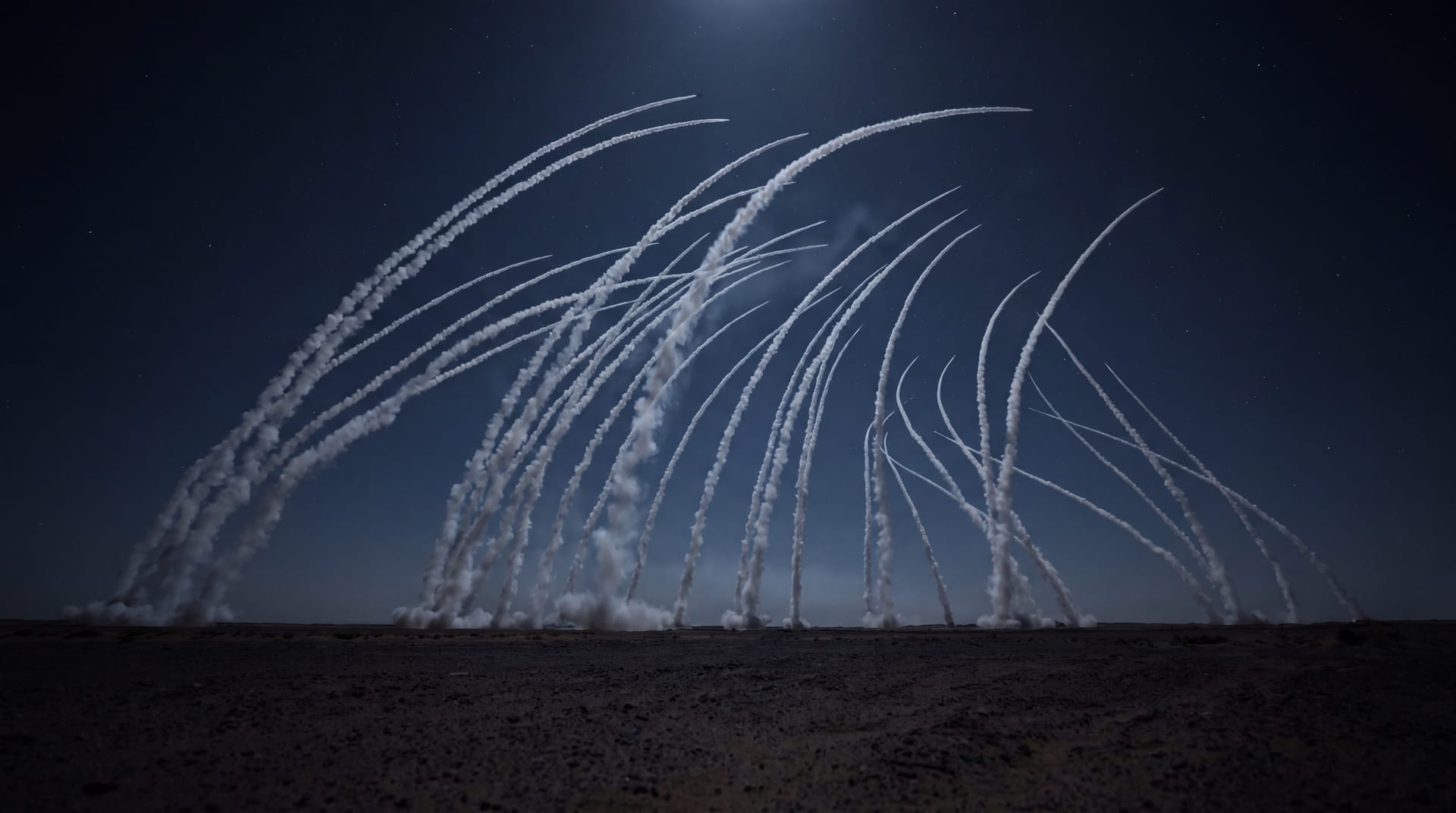
A weapon system designed to track and monitor dozens to hundreds of incoming artillery rounds in real time and engage them within a short time. We provided UI/UX consulting for its 3D terrain map, and made the film.
View case→M-SAM Block-III command post UX
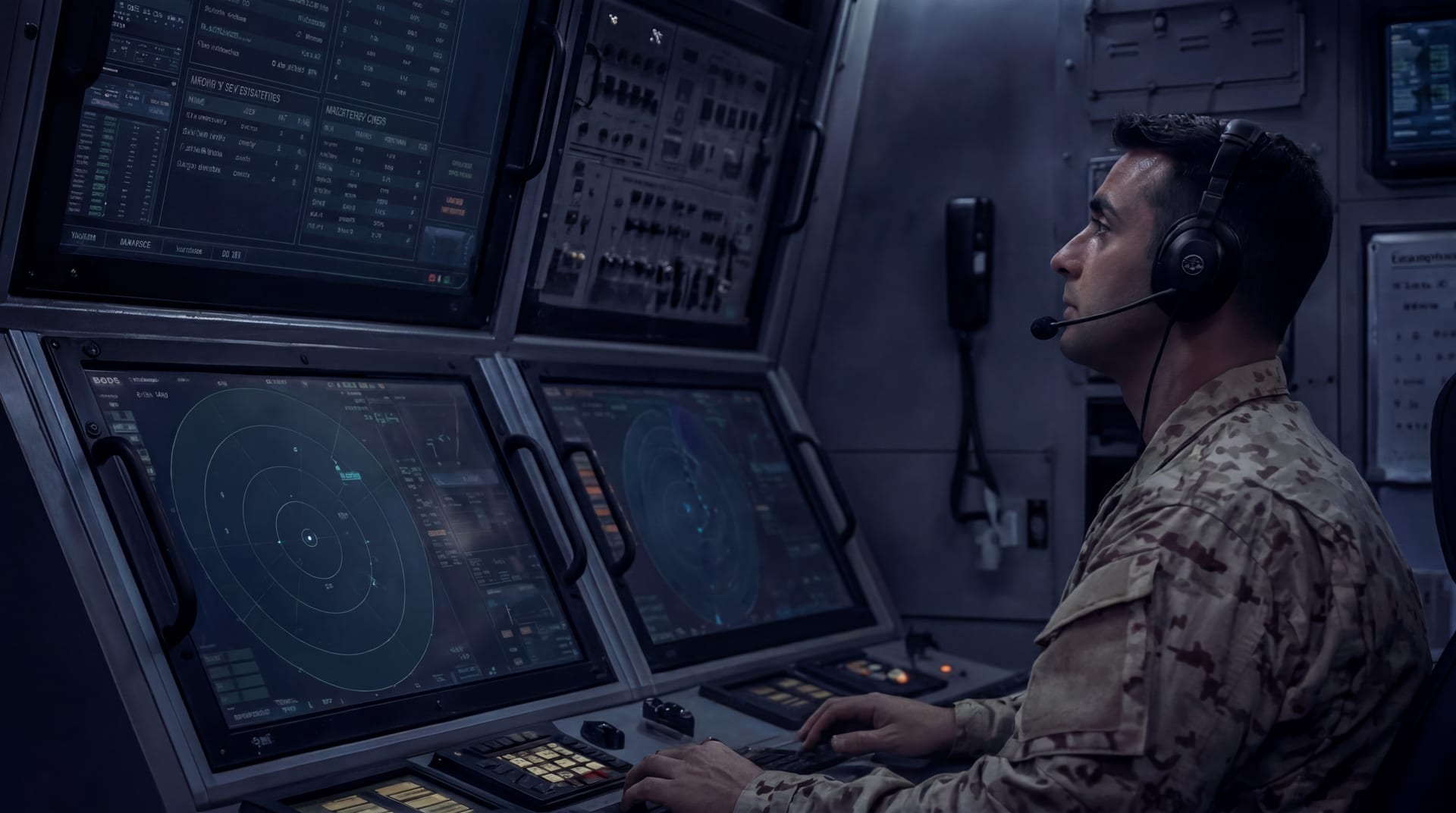
The next stage of Korea's medium-range surface-to-air missile system, succeeding Cheongung-II. We carried out UX design and prototyping for its operations and engagement control centre.
View case→Swarm drone MR control
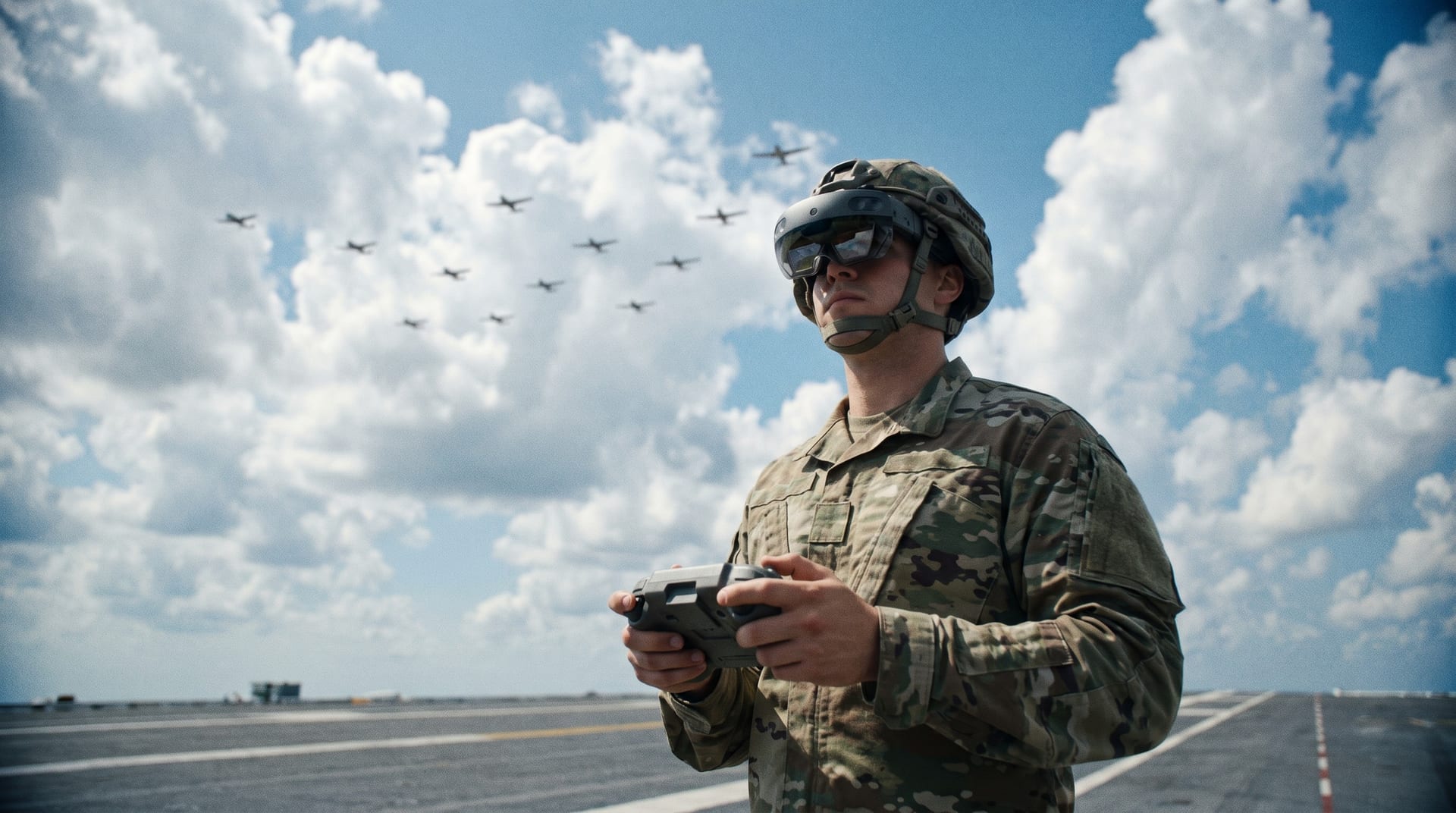
A mixed-reality interface for directing a swarm of drones as one coordinated group. We carried out the UX design.
View case→Ghost Robotics controller UX
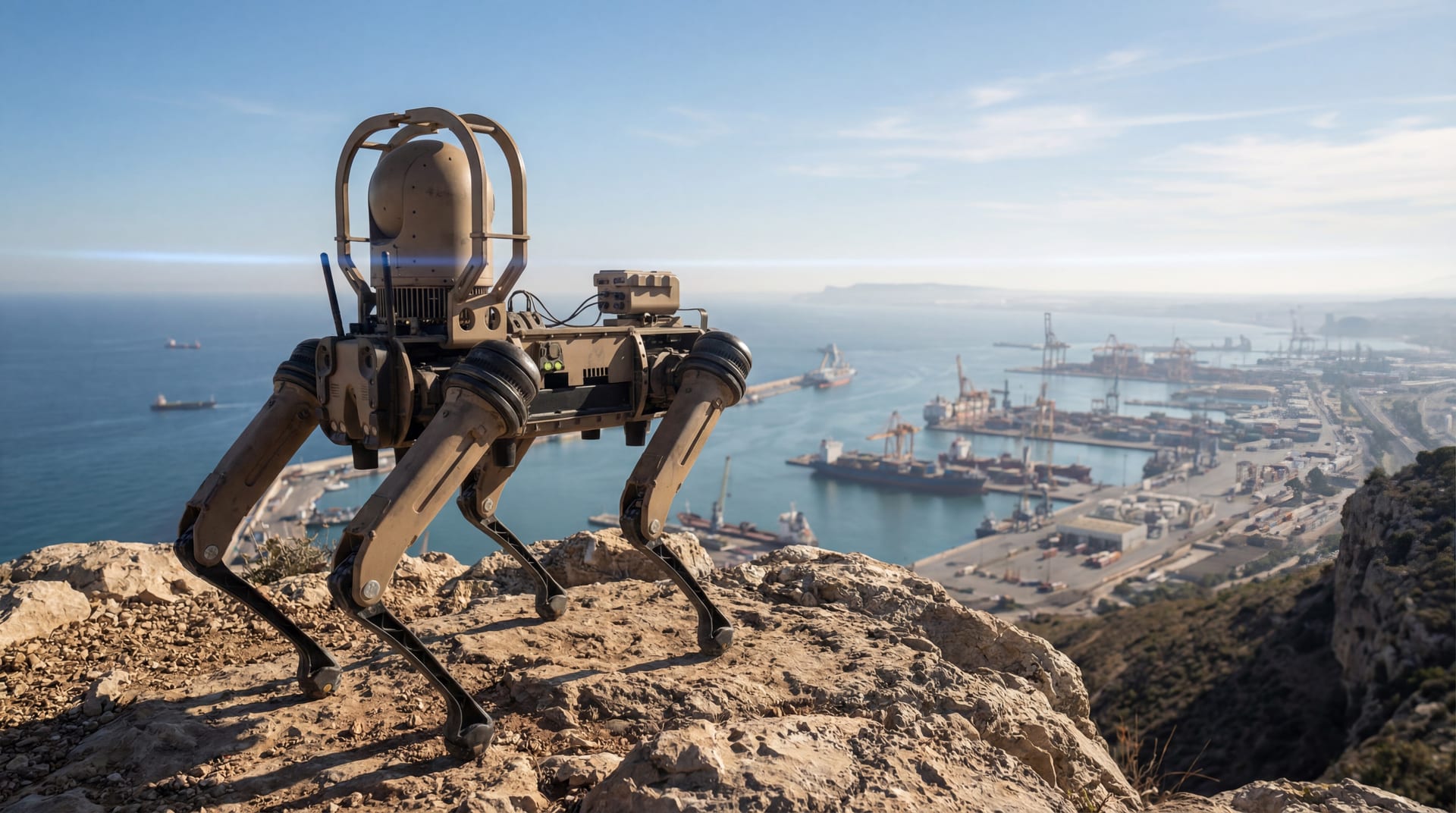
Ghost Robotics builds legged unmanned ground robots, among them the Vision 60 quadruped. We carried out service design and UX for controlling several robots together.
View case→Sea-Sword promotional film
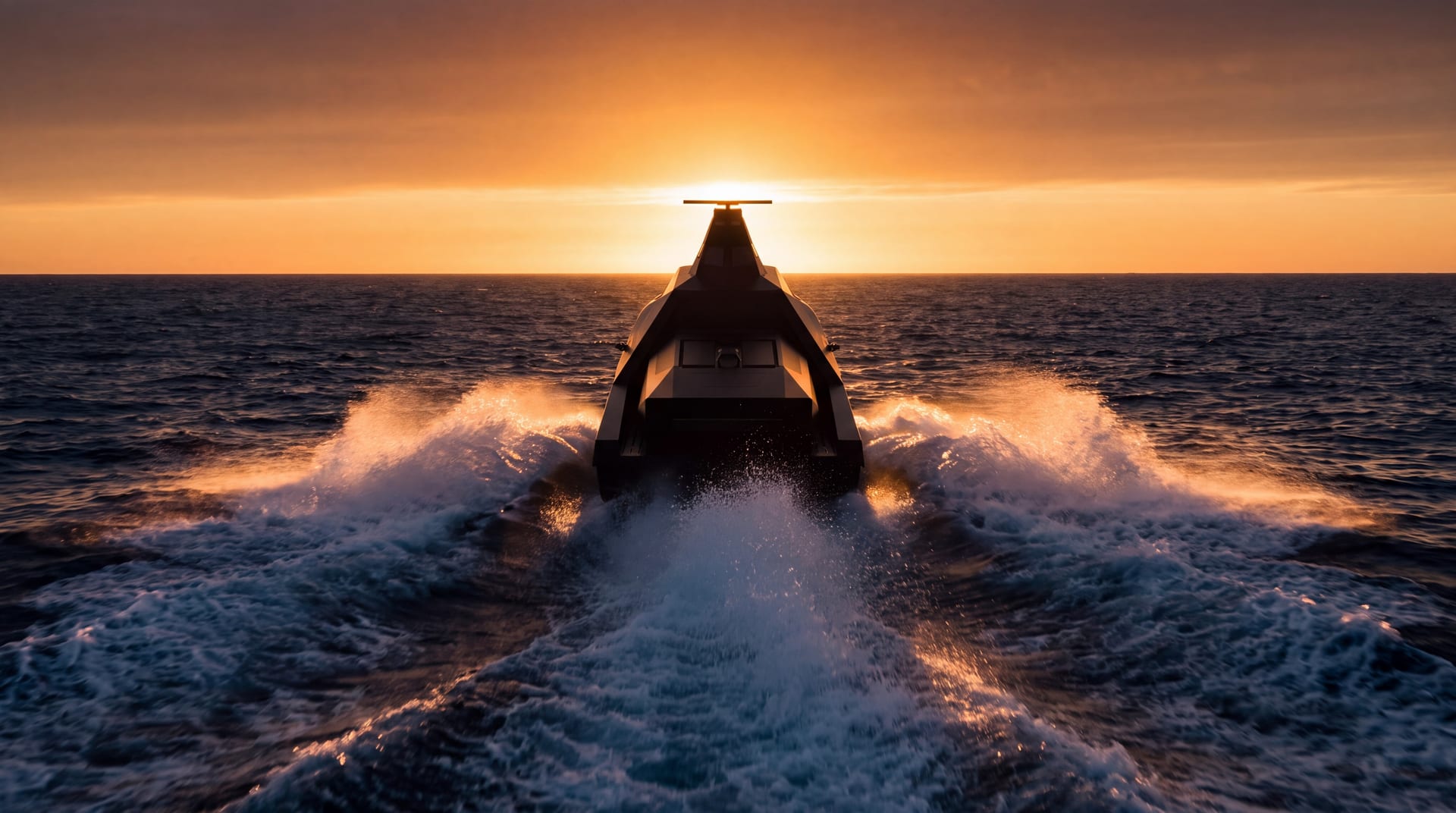
LIG D&A's family of maritime unmanned systems: surface, aerial and underwater vehicles, among them mine countermeasure craft and one-way attack unmanned surface vessels. We planned and produced the promotional film.
View case→Counter-drone hard-kill close-in protection UX
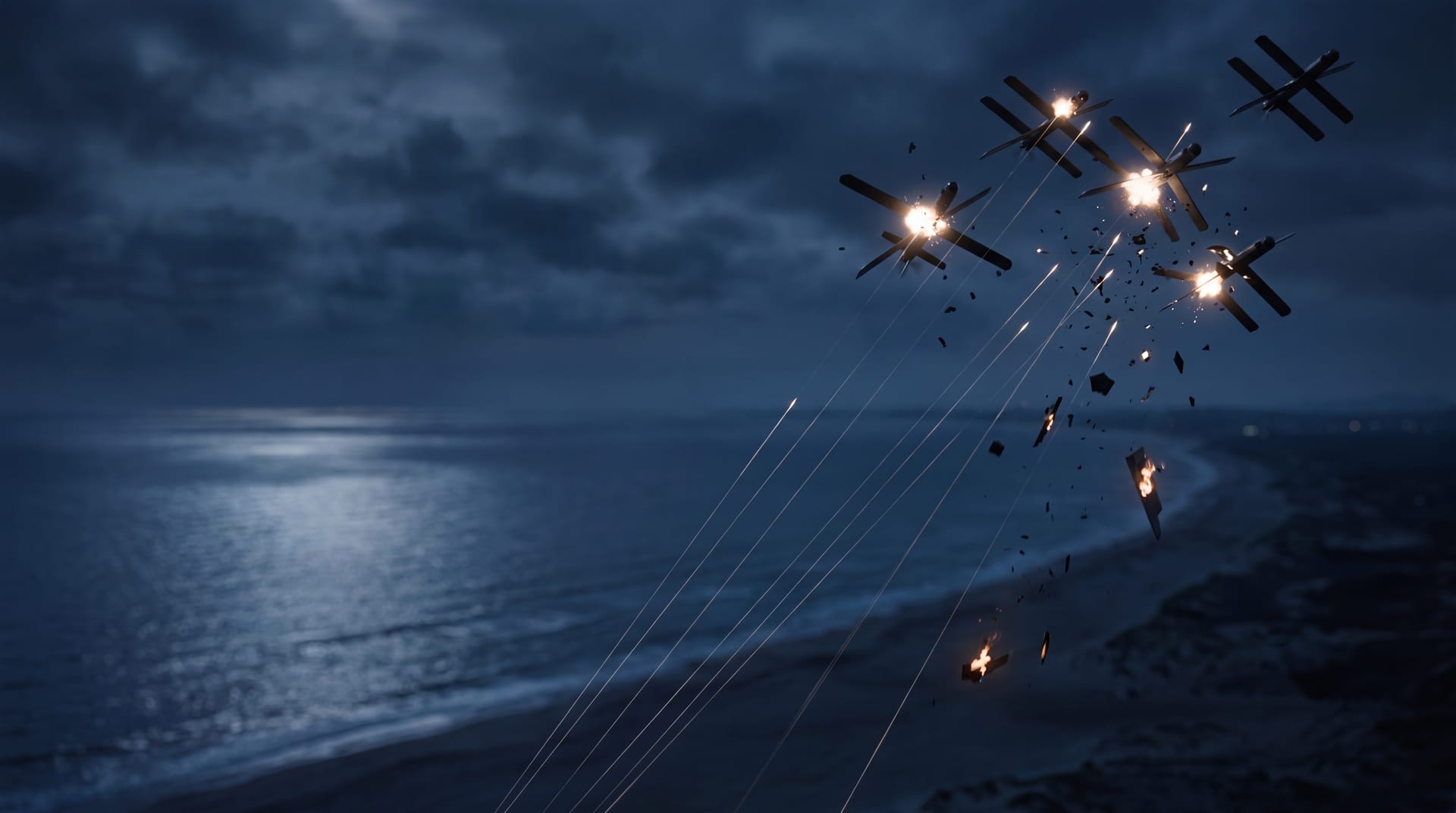
A close-in weapon system under development in Korea for Republic of Korea Navy ships, the innermost layer of a warship's air defence. We provided UI/UX consulting.
View case→Global multi-layered air defense network promotional film
Air defence systems that each cover a different band of range and altitude, linked by one command and control network. We made the promotional film.
View case→LIG D&A
2025
LIG D&A
2026
LIG D&A
2026
LIG D&A
2026
LIG D&A
2026
Netcustomize
2022
LIG D&A
2026
Naval Combat System Consoles
-
-
The sensors disagree with each other, and one person has to settle the picture before acting on it. So we decide what belongs on the main display, what stays within reach, and what is never more than one action away.
-
There are seconds to decide, and the picture is still forming. Part of that is the operator's judgment and part of it the system should have settled already, and the screen has to keep the two apart.
-
One operator, several machines, and no way to take them one at a time. We work out what each machine reports on its own, what it has to ask for, and how control comes back to a person when the autonomy runs out.
-
The display gets carried, glanced at, and read in conditions that break ordinary interfaces. What stays readable in a glance? What still works with one hand? Most of the design is answering those two.
-
A contact is rarely clear, and classifying it is a judgment rather than a reading. We put the evidence next to its uncertainty, so the operator can see why the system called it what it did.
-
Very little time passes between the decision and the effect, and none of it can be taken back. So the design goes into the moment of commitment: what is confirmed, what is shown first, and what the operator is holding when they commit.
-
-
-
A monitor produces more than any nurse can watch, and most alarms are not events. We order the screen by what would actually change what happens next.
-
People use the bedside terminal in short bursts, several roles on the same device, interrupted constantly. The question is what someone coming back to it has to work out again before they can carry on.
-
A machine working next to someone in care has to make its intention clear before it moves. Three things carry most of the weight: how it announces, how it asks, and how it stops.
-
Care that used to be written down becomes a workflow, and then the workflow starts dictating the care. We try to keep the record true to what happened without turning a nurse into a typist.
-
Years of measurement are only worth something if the person can see change rather than numbers. So the question is how that history is arranged, and how much it is allowed to claim.
-
-
-
Air, light, power, access, lifts — commissioned at different times by different people, and none of them reporting the same way. One operating picture has to hold on top of all that.
-
Supply and demand balance themselves most of the time. The operator steps in rarely, and when they do it matters, so the design has to carry someone through long quiet stretches without dulling them for that moment.
-
The people running the plant did not design it, and the panel they run it from is small. It has to show what the machine is really doing, and make the safe move the obvious one.
-
-
-
The road already has the driver's attention; the screen gets what is left over. We decide what has to be said, when to say it, and what form makes one glance enough.
-
Map data is built, versioned and localised long before anyone drives on it. Holding one design together across regions, vehicles and model years is a specification problem more than a screen problem.
-
Half the system is in the car and half of it is not, and nothing guarantees the link between them. What still works when it drops is the real design.
-
-
-
People use an appliance standing up, often with one hand full, and everyone in the house uses it for fifteen years. The panel has to need no learning, and the app must never say something different.
-
One account ends up holding devices from different years and different divisions that were never meant to meet. They need a shared idea of the place they are in, and each of them has to fit into it.
-
Three metres away with a remote in hand, and the same design has to work at four inches. The distance changes and the input changes, and the structure underneath has to survive both.
-
Hundreds of products inherit an interface from people they will never meet. The standard has to be exact enough to build from and general enough to outlast the model that prompted it.
-
Some people reach a system through a channel the designer never uses: a hand that cannot point, an eye that points instead, a screen nobody sees. We build that channel as a way in, not as a fallback.
-
One person is responsible for a whole bay of machines, and each one stops for its own reasons. A single screen has to say which machine needs someone, and why.
-
Product data outlasts the people who typed it in, and different departments come to it with different questions. One structure has to answer all of them without turning into a form.
-
Programming a robot, running it, and getting it back after something goes wrong are three different jobs at one console. Most of the work is making sure they never get mistaken for each other.
-
AEON designs the experience of control, monitoring, and command systems.
We work where operators must decide under time pressure, and where the cost of failure is high.