L-SAM Operations/Engagement Control Centre Film
Also known as Long-range Surface-to-Air Missile
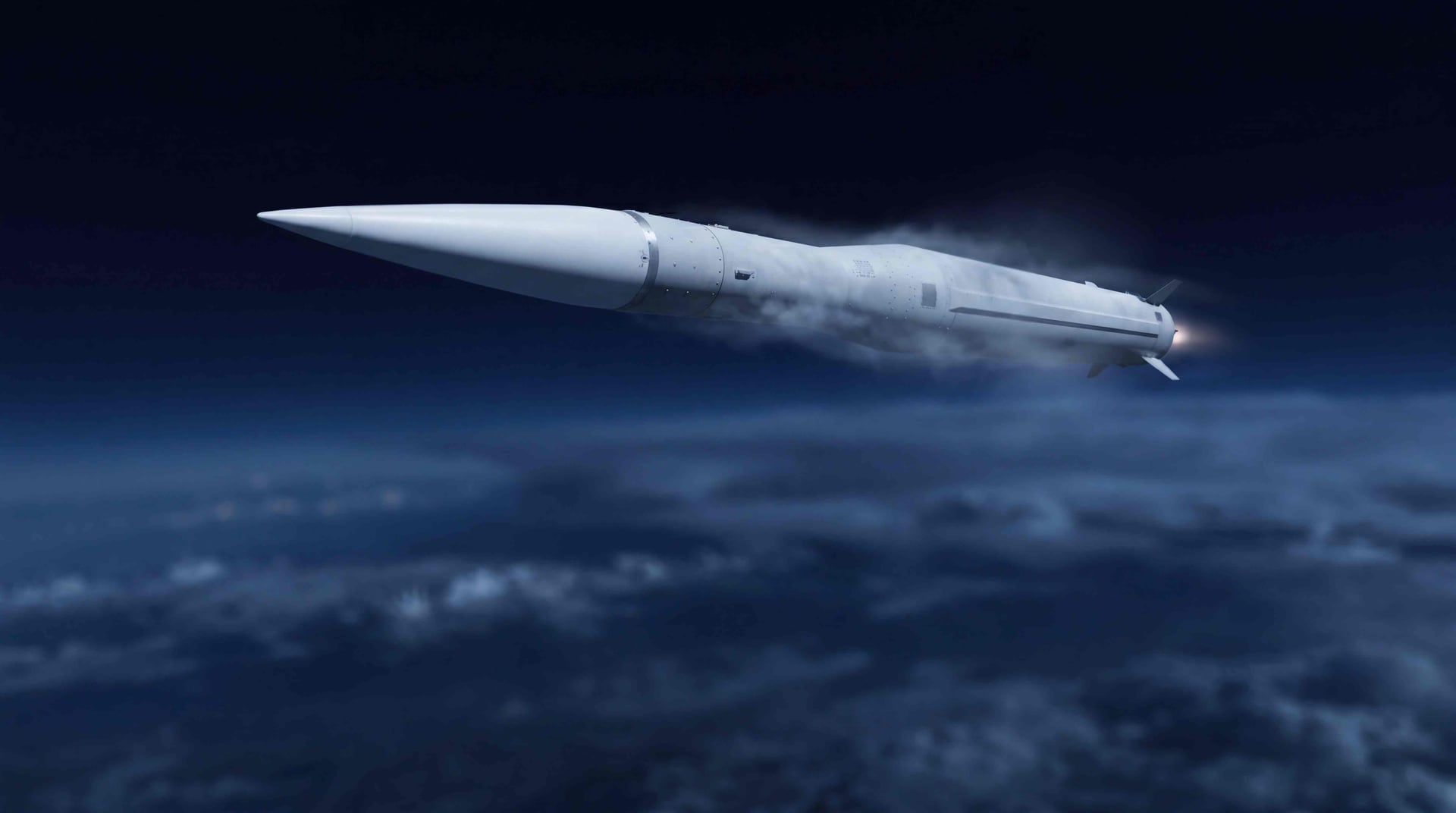
L-SAM is South Korea's long-range surface-to-air missile system, whose development was completed in 2024.
L-SAM (Long-range Surface-to-Air Missile) is a South Korean system for intercepting ballistic missiles and aircraft at higher altitudes than earlier Korean air defences, developed by the Agency for Defense Development with domestic industry. Development was completed in 2024, after which the programme moved towards production, with deployment expected in the second half of the 2020s.
AEON produced the film reporting the completion of the system's development.
Technology trends
Written by AEON from public sources. It describes the field, not the project above.
An air-defence programme does not end when a test missile hits its target. Between a successful intercept and a battery standing watch lies a sequence of milestones, each with its own meaning: development testing, operational testing with service crews, a production decision, initial operational capability and, eventually, full operational capability. The gaps between them are where most of the real work of fielding happens.
The US Army's Integrated Battle Command System shows how long that path can be. Its initial operational test and evaluation ran for ten months at White Sands Missile Range, with soldiers detecting, tracking and intercepting missiles and surrogates while under electronic attack. Full-rate production was approved in April 2023 and initial operational capability followed in May, which, as DefenseScoop reported, cleared the system for fielding to units while further capabilities continued to be added. IOC, in other words, was a licence to start fielding, not a declaration that the system was finished.
Germany's Arrow 3 followed a compressed version of the same logic. Ordered in 2023, it entered service in an initial configuration at Holzdorf/Schönewalde, south of Berlin, in December 2025, with further sites in the north and south of the country planned by the end of the decade. The first site provides initial coverage, but the full architecture of three batteries, and the crews to run them, takes years more.
South Korea's long-range programme is moving through the same stages. The defence ministry declared L-SAM development complete in November 2024, with production expected to begin in 2025 and deployment in the second half of the decade, while a Block-II version for higher-altitude interception is developed in parallel. The interval between development and deployment is where doctrine is written, crews are trained and a new layer is integrated with the existing air and missile defence network.
Two trends are reshaping this process. First, testers are bringing soldiers in earlier, because problems found by crews at the end of development are the most expensive to fix. Second, software-defined systems keep evolving after IOC, so the old idea of a fixed baseline that is tested once and then fielded is giving way to a stream of software releases, each needing its own verification. Programme milestones increasingly mark points in a continuous process rather than finish lines.
For operators, this means the system they train on is rarely the system they will retire. Interfaces, procedures and capabilities shift over the service life, and crews are often the first to discover how a new release behaves under pressure. Designing for this means keeping interaction patterns stable even as functions are added, explaining changes in terms crews can use, and treating operator feedback from exercises and test campaigns as a primary input to each release.