M-SAM Block-II — Control Centre UI Localisation (UAE)
Also known as Cheongung-II · KM-SAM Block-II
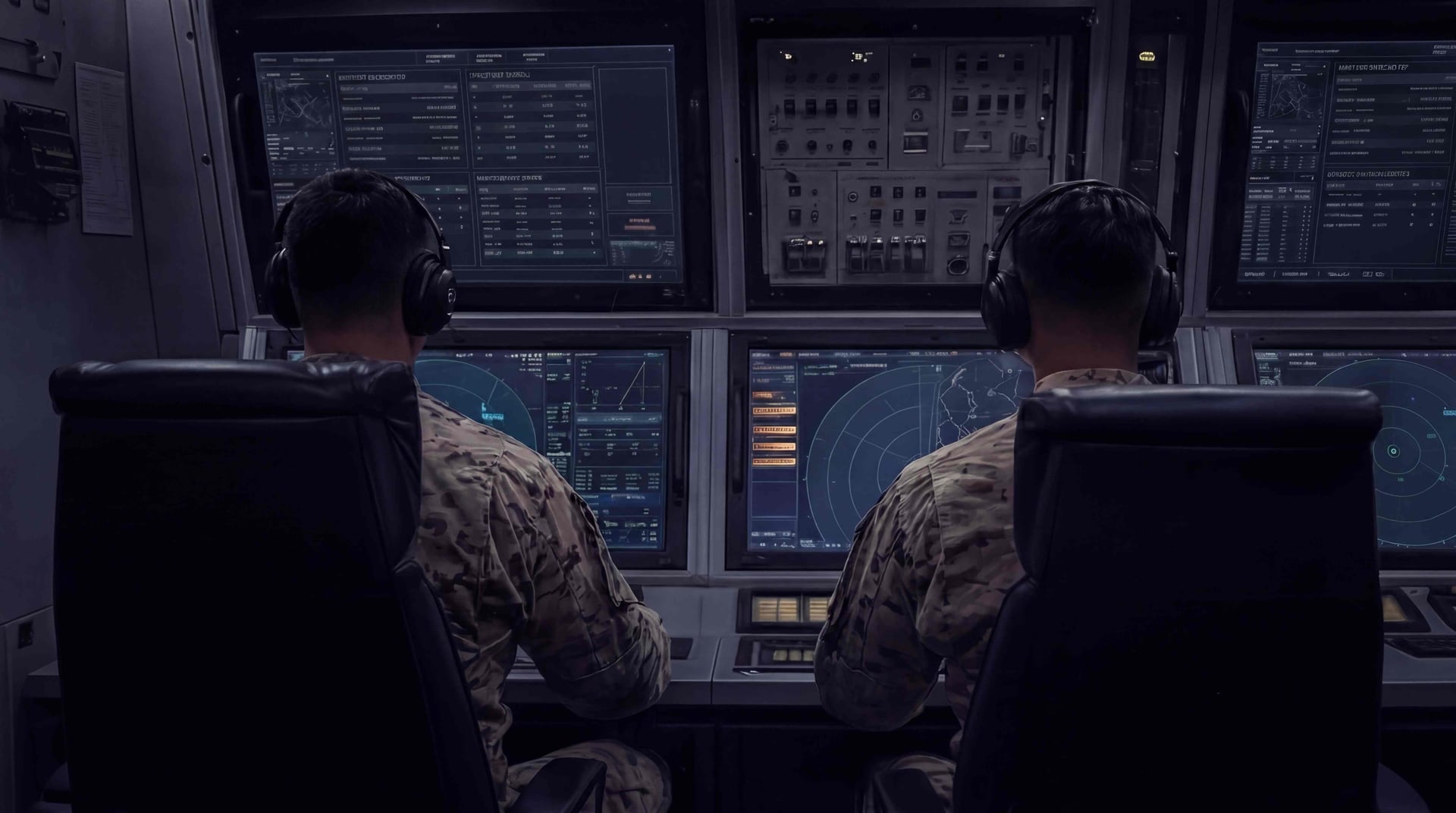
Cheongung-II (M-SAM Block-II) is a South Korean medium-range surface-to-air missile system, exported to the United Arab Emirates, Saudi Arabia and Iraq.
Cheongung-II, also designated M-SAM Block-II, is a medium-range surface-to-air missile system developed in South Korea to intercept aircraft and ballistic missiles. The United Arab Emirates ordered the system in 2022, and Saudi Arabia and Iraq followed with orders in 2024. In the UAE it operates within a wider air defence network that also includes Patriot.
AEON localised the user interface of the system's control centre for the UAE version.
Technology trends
Written by AEON from public sources. It describes the field, not the project above.
South Korea has become one of the more significant new suppliers of ground-based air defence, and the Gulf is where that shift is most visible. Medium-range systems sit at the core of this market, because they cover aircraft, cruise missiles and shorter-range ballistic missiles, and because they must fit into networks that already include American upper-tier and lower-tier systems.
Cheongung-II is the clearest example. The UAE ordered ten batteries in 2022 and integrated two into an air defence network that also includes Patriot. In early 2026, during Iranian strikes across the region, the system saw its first combat use abroad; the UAE then asked for more than thirty additional interceptors, and Seoul brought the delivery forward. The same report notes that other Gulf states, seeking faster deliveries, have reportedly approached Italy about SAMP/T.
Orders followed elsewhere in the region. Iraq's contract in September 2024 made it the third export customer, after the UAE and Saudi Arabia. As of mid-2026 Saudi Arabia has ten batteries on order and Iraq eight, with deliveries beginning in 2028, and interest has spread beyond the Middle East, with a letter of intent from Indonesia and reported Swiss interest. The Korea JoongAng Daily points out that the consortium builds about eight batteries a year, so production capacity rather than demand is now the limiting factor.
Exported systems rarely operate alone. Gulf buyers already field American equipment: Lockheed Martin lists THAAD batteries in service with both the UAE and Saudi Arabia, alongside the region's long-established Patriot fleets. A new medium-range layer therefore has to exchange tracks and coordinate engagements with equipment from other suppliers, through common data links and the buyer's own national command structure. In practice, interoperability is part of what is being sold.
Localisation sits alongside interoperability. A system designed around one army's doctrine, language and procedures has to be adapted to another's, often with right-to-left script, different terminology and different rules for engagement authority. This goes well beyond translating labels: it touches training material, alert wording, units of measure and the way the system expresses priorities and warnings. Buyers increasingly expect this adaptation, together with local support, as a condition of purchase.
For operators, the result is a working environment assembled from several national traditions. A crew may work with consoles built by different companies in a single shift. Interfaces that respect the operator's language and doctrine reduce cognitive load and error, especially under stress, and consistency in alerts and track symbology across systems matters as much as the capability of any individual console.