S-PDU(Pilot Display Unit) Prototype UX
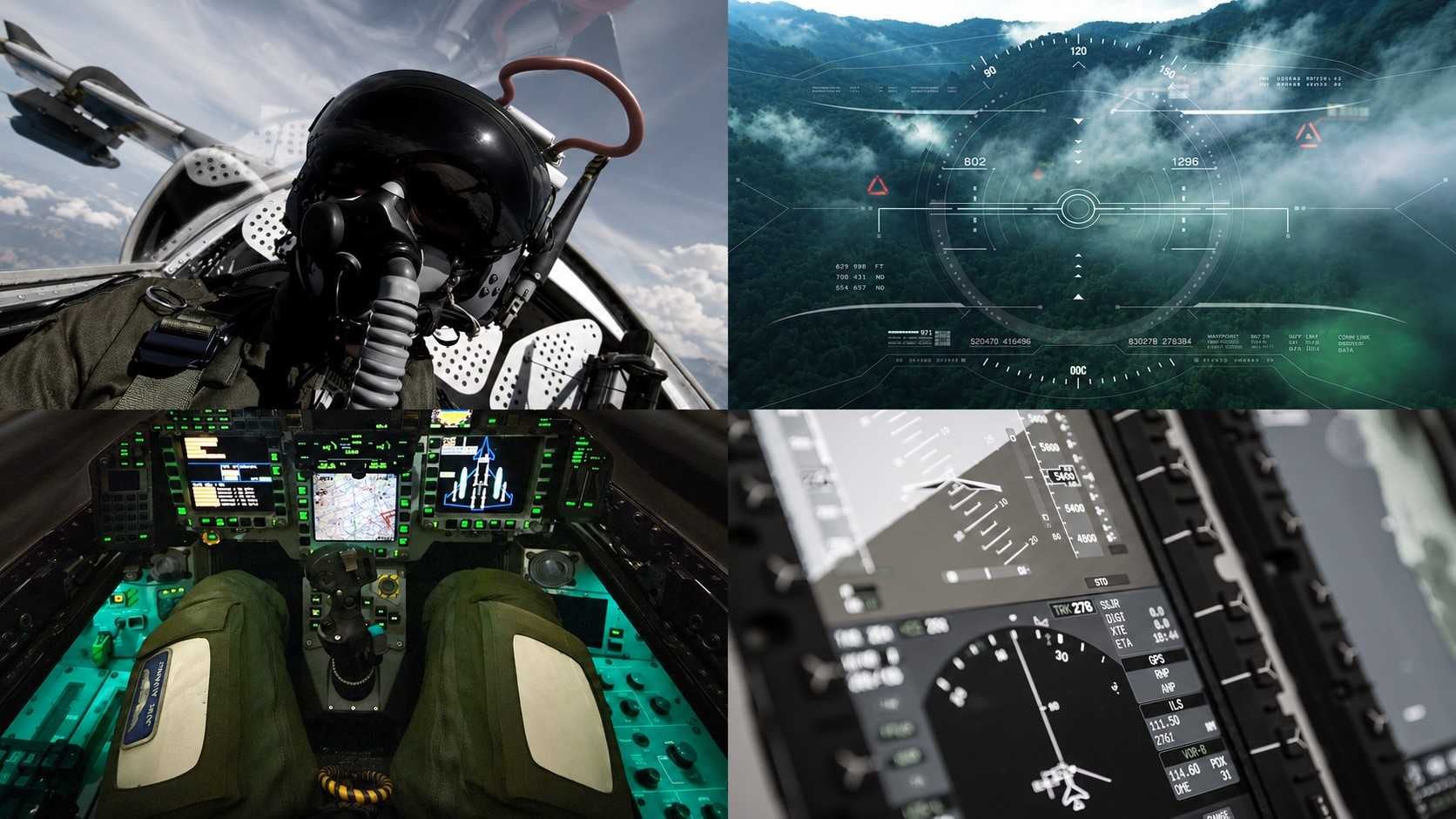
A pilot display unit is a cockpit display that presents flight, navigation and mission information to the pilot.
Pilot display units range from fixed instrument-panel screens to portable and tablet-based displays, which can carry the maps, charts, checklists and mission data that once filled paper flight bags. Portable and tablet-based cockpit displays are increasingly built on commercial computing hardware and operating systems, which allows new functions to be added through software.
AEON carried out the software and hardware UX for a pilot display unit and built a prototype on an Android handset.
Technology trends
Written by AEON from public sources. It describes the field, not the project above.
The cockpit has spent decades moving from dials to glass, and the latest generation of combat aircraft has pushed that logic to its limit. The F-35 replaced the traditional cluster of screens with a single 20-by-8-inch panoramic display that can be operated by touch, cursor or voice, and dispensed with the fixed head-up display altogether, projecting symbology onto the pilot's visor instead.
The helmet has become a primary instrument. Collins Elbit Vision Systems has delivered more than 3,000 Gen III helmets for the F-35, whose interface the company describes as the pilot's primary display system. Its successor, the Zero-G HMDS+, passed critical design review for the US Navy in December 2025 and is planned for fielding on Super Hornets and Growlers, with initial capability expected in 2027, with lighter weight intended to reduce neck strain and improve ejection safety. The F-35's own panoramic display is being renewed under the Technology Refresh 3 programme, with Elbit Systems of America developing the replacement display unit.
In parallel, the portable display has gone mainstream. Electronic flight bags, usually commercial tablets, have replaced paper charts and manuals across many air arms. In one US Army combat aviation brigade, a single tablet replaced around 20 separate publications, and mission changes could reach every crew within seconds. Tablets bring commercial development speed and familiar touch interaction into military aviation, but they also raise questions of certification, cyber security, mounting, glare and night-vision compatibility.
The direction of travel is convergence. Fixed displays are becoming larger and more software-defined; helmets are adding sensor video and richer imagery; tablets are being connected to aircraft data rather than serving only as electronic paper. The same information may now appear on the panel, in the visor and on a kneeboard device, and the central design question is deciding which information belongs where and when.
For pilots, more display area does not automatically mean better awareness. Each surface competes for attention at moments of high workload, and a symbol that is helpful on a large panel can be distracting in the visor. The trend puts a premium on consistent symbology across devices, on interaction that works with gloves, under g-loads and in turbulence, and on decluttering that adapts to the phase of flight. Testing interfaces with pilots early, in simulators and in flight, remains the surest way to find where attention breaks down before the design is fixed in certified hardware.